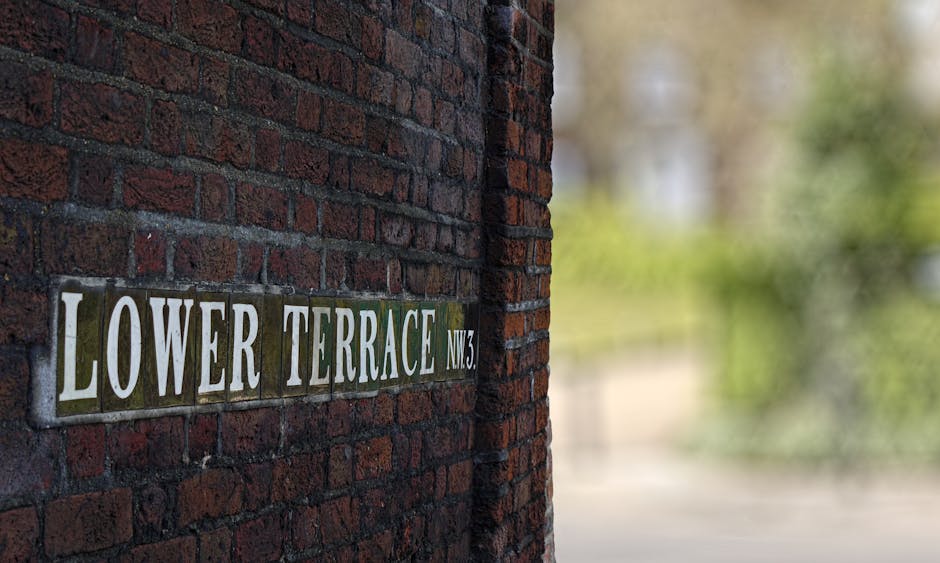
Gardeners serving Chase Side and Grovelands Park Southgate
If you live near Chase Side or around Grovelands Park in Southgate, you already know the garden can change the feel of a home completely. A tidy front border, a well-kept lawn, or just a patio that doesn't look tired and weed-streaked can make the whole place feel calmer. That's where gardeners serving Chase Side and Grovelands Park Southgate come in. They help with the practical work that keeps outdoor spaces healthy, manageable, and pleasant through the year.
Truth be told, most gardens do not fail because of one big mistake. It is usually a stack of small things: missed pruning, uneven mowing, compacted soil, hedges that got away from you, or a seasonal job left too late. This guide walks through what local gardening services can do, who they suit, how the process usually works, and what to watch for before you book anyone in. It is written for real people, not show gardens.
Whether you need routine maintenance, a proper tidy-up after winter, or someone who understands the practical rhythm of London gardens, this article will help you make a sensible decision. And if you're trying to compare service options, a good place to start is our garden maintenance service, especially if you want ongoing support rather than one-off patchwork fixes.
Table of Contents
- Why Gardeners serving Chase Side and Grovelands Park Southgate Matters
- How Gardeners serving Chase Side and Grovelands Park Southgate Works
- Key Benefits and Practical Advantages
- Who This Is For and When It Makes Sense
- Step-by-Step Guidance
- Expert Tips for Better Results
- Common Mistakes to Avoid
- Tools, Resources and Recommendations
- Law, Compliance, Standards, or Best Practice
- Options, Methods, or Comparison Table
- Case Study or Real-World Example
- Practical Checklist
- Conclusion
- Frequently Asked Questions
Why Gardeners serving Chase Side and Grovelands Park Southgate Matters
Local gardening is not just about appearance. In neighbourhoods like Chase Side and Grovelands Park Southgate, gardens are often quite exposed to the same familiar London pressures: shade from mature trees, busy roads, compact urban soil, and long stretches where growth suddenly takes off after rain. A gardener who works in the area regularly tends to spot those patterns fast.
That matters because the wrong approach can waste money and time. For example, a lawn that looks patchy might not need replacement at all; it may need scarifying, aeration, the right feed, and a better mowing routine. A hedge that seems "out of control" may simply need a staged reduction, not a hard chop that leaves it thin for months. Small judgments like that make a big difference.
There is also the local practical side. Front gardens near busier roads gather dust, leaf litter, and debris. Shadier back gardens hold moisture longer, which can invite moss and fungal problems. Around Grovelands Park, many gardens benefit from a gentler, more observant maintenance style rather than aggressive treatment. A good gardener reads the space properly. That sounds obvious, but lots of poor jobs come from not doing that first bit.
If you are weighing up whether to bring in help, think about the time cost too. One morning of skilled gardening can save several weekends of half-finished work. And let's face it, most of us would rather enjoy the garden than spend Saturday wrestling with a blunt hedge trimmer and a stubborn border.
How Gardeners serving Chase Side and Grovelands Park Southgate Works
The process is usually straightforward, though the details vary depending on whether you need ongoing maintenance or a one-off job. A sensible gardener will start by looking at the garden as a whole, not just the obvious problem area. They should ask about access, water supply, existing issues, and the result you want. Sometimes the best outcome is a neat, low-maintenance space; sometimes it is about restoring a garden that has been neglected for a while.
Most local services will work in one of a few ways:
- Regular maintenance visits for mowing, edging, weeding, pruning, and seasonal tidying.
- One-off clearance or reset work for overgrown plots, tenancy changes, or post-winter recovery.
- Seasonal care for tasks such as spring planting, summer cutting, autumn leaf clearance, and winter preparation.
- Specialist tasks such as hedge reduction, border redesign, or pressure washing of paths and patios where appropriate.
Many homeowners also combine garden care with broader outdoor support, such as landscaping services if a space needs layout changes, or hedge trimming when the boundary planting has grown too dense to manage with routine cuts.
In a good working setup, you should expect a clear conversation about scope. What is included? What is not? Will waste be removed? Are green bin contents part of the service or an extra? These things sound minor until you are standing in the driveway looking at six sacks of clippings and wondering whose job they are. Best to ask before the van arrives.
Key Benefits and Practical Advantages
The value of hiring a local gardener is not just "the garden looks better", although that part helps. The real benefits are broader and, honestly, more practical than people sometimes expect.
1. Better consistency. A garden that gets small, regular amounts of attention tends to stay healthy. Weeds are easier to tackle when they are young. Grass stays in better condition when it is not cut too short too often. Shrubs stay in shape when they are pruned at the right moment, not after they have already become awkward.
2. Less stress for you. A lot of people carry garden guilt around, to be fair. They can see what needs doing, but not find the time or energy. Having a reliable gardener takes that mental load off your shoulders. It turns the garden from a nagging job into a place you can actually use.
3. Better plant health. Good gardening is not just cutting things down. It includes soil care, sensible pruning, watering awareness, feeding where needed, and noticing early signs of trouble. A patch of yellowing leaves or a thinning hedge can be fixed much earlier if someone pays attention.
4. Improved curb appeal. This matters whether you are staying put or planning to sell. A neat front garden gives a clean first impression. A cared-for back garden makes everyday life feel a little easier. Even a modest space can look well loved with the right maintenance.
5. Safer, tidier outside spaces. Slippery moss, overhanging growth, broken branches, and cluttered paths can all become problems. Professional garden care reduces those hazards without turning the place into a sterile set piece.
| Service Type | Best For | Typical Outcome | Good To Know |
|---|---|---|---|
| Regular maintenance | Busy households, rental properties, tidy family gardens | Stable, manageable outdoor space | Prevents small jobs from becoming big ones |
| One-off clearance | Neglected gardens, moving house, seasonal reset | Visible transformation in one visit or short project | May need follow-up to keep results |
| Hedge and shrub work | Boundaries, privacy planting, overgrown borders | Cleaner shape and healthier regrowth | Timing matters more than force |
| Border care and planting | Gardeners who want colour or structure | Better seasonal interest | Needs the right plant choice for shade and soil |
Who This Is For and When It Makes Sense
This kind of local gardening support is useful for more people than you might think. If any of the situations below sound familiar, it may be time to get help.
- Homeowners with limited time who want the garden to stay presentable without spending every weekend on it.
- Older residents who prefer safer, lighter physical work to be handled by someone else.
- Landlords and letting agents who need outdoor areas kept tidy between tenancies.
- Families whose gardens need to be usable, not just photogenic.
- People returning after winter to find borders, lawns, and hedges have all done their own thing.
- Anyone planning a sale or redecoration and needing the exterior to look cared for.
It also makes sense if you have a garden that is technically small but oddly demanding. Those little spaces can be surprisingly time-consuming. A narrow strip with a hedge, a few raised beds, and a bit of paving may take more thought than a bigger, simpler lawn. Funny how that works.
If you are unsure whether you need routine help or a one-off fix, ask yourself one question: do you want a short-term clean-up, or do you want the garden to stay under control over time? That answer usually points you in the right direction.
Step-by-Step Guidance
If you are booking local garden work for the first time, a clear process keeps things smooth. Here is the practical version.
- Walk the garden with a clear purpose. Notice what is bothering you most: the lawn, the hedge, the weeds, the border clutter, the paving, or the overall mess.
- Decide what outcome you want. "Tidy" is fine, but better is "trim the hedge, clear the rear border, mow and edge the lawn, and remove waste."
- Ask about the scope. Check what is included, how waste is handled, and whether the visit is maintenance or restoration.
- Share access details early. Side gate, parking, pets, locked sheds, awkward corners - all those little things matter more than people think.
- Confirm timing and frequency. Some gardens need fortnightly visits in the growing season; others are fine monthly, or even seasonally.
- Agree on priorities if time is limited. If the job is bigger than the slot, a good gardener should tell you what will be done first.
- Review the result and adjust. After one or two visits, you'll quickly see whether the schedule and approach are right.
A useful rule of thumb: start with the highest-impact tasks. For most gardens that means lawn, edges, weeds, and hedge shape. Once those are under control, the smaller decorative work becomes much more enjoyable. The garden starts to breathe a bit.
Expert Tips for Better Results
Good garden care is often about small decisions made at the right time. Here are a few practical tips that make a noticeable difference.
Match the maintenance to the season. Spring and early summer often need faster turnaround because growth can surge. Autumn is all about leaf control, cutting back, and keeping drainage clear. Winter is quieter, but that is not the time to ignore structure completely.
Do not cut everything on the same day. It is tempting to go in hard and "sort it all out". But some plants respond badly to heavy cutting, and lawns can suffer if they are scalped. A thoughtful gardener will balance neatness with plant health.
Pay attention to shade and moisture. In Southgate, many gardens have pockets of shade where moss and mildew can appear. Those areas often need different care from sunny borders. One treatment fits all? Rarely.
Use the garden more, not less. The best maintenance plan is one that supports how you actually live. If you use the patio for coffee in the morning, the path should stay clean. If children or pets run across the lawn, hard surfaces and tricky planting may need to be simplified a little.
Keep the basic tools sharp and ready. Even if you hire help, things like a decent hose, working taps, and storage for garden waste make the whole process easier. A tidy set-up saves time every visit.
For homes that need a stronger long-term structure, you may also want to look at tree surgery support where larger trees are affecting light, space, or garden health, and turf laying if the lawn has reached the point where repair is not enough.
Common Mistakes to Avoid
Some garden problems are caused by neglect, but plenty are caused by overreaction. Here are the usual traps.
- Leaving seasonal jobs too late. By the time a hedge is overgrown or a border is full of weeds setting seed, the work gets harder and less tidy.
- Choosing only on price. A very low quote can be fine in some cases, but if it ignores waste removal, access, or the true scope, you can end up paying twice.
- Expecting one visit to fix everything. Sometimes it can, but often a garden needs a reset followed by routine maintenance.
- Over-pruning. Cutting too much can weaken shrubs, spoil shape, or leave exposed stems that take months to recover.
- Ignoring drainage or soil problems. If the same patch keeps failing, the issue may not be the plant choice at all.
- Not being clear about priorities. If everything is "important", the gardener may not know what matters most to you.
A surprisingly common mistake is assuming every tidy garden is a healthy garden. Not quite. A space can look neat for a week and still be struggling underneath. That is why a little judgement goes a long way.
Tools, Resources and Recommendations
Not every homeowner needs to own a full toolkit, but knowing what good work relies on helps you judge the service you are getting.
Useful tools and equipment often include:
- quality lawn mower for the right garden size
- hedge trimmer and hand shears for shaping
- secateurs and loppers for selective pruning
- fork, rake, and spade for border and soil work
- leaf collector or rake for autumn clearance
- wheelbarrow, sacks, and sensible waste handling kit
Helpful service types to consider:
- routine garden maintenance if the space already has a structure
- border care if planting is getting messy or tired
- hedge trimming if boundaries and privacy planting are dominating the space
- landscaping if the garden needs layout or usability changes
- lawn care if the grass is thin, patchy, or mossy
If you want to explore broader support across the area, our South London garden care homepage is a sensible starting point, and the areas we cover page can help you see whether your street is included. For new visitors who want a simple introduction to the service range, the services overview is often the quickest way to compare what is available.
One more thing: a neat garden also benefits from simple aftercare between visits. Deadheading, light weeding, checking pots for dryness, and sweeping paths can keep the place looking cared for. Ten minutes here and there. That's often enough.
Law, Compliance, Standards, or Best Practice
Garden work is not usually heavily regulated in the way some trades are, but there are still sensible standards and responsibilities to keep in mind. A reputable gardener should work carefully, respect property boundaries, and handle waste responsibly. If herbicides, pesticides, ladders, electrical equipment, or tree work are involved, the bar for caution goes up again.
In practical terms, good practice means:
- working safely around pets, children, and residents
- using equipment appropriately and maintaining it properly
- not damaging neighbouring property, fences, or roots unnecessarily
- removing or disposing of green waste in a sensible, agreed way
- being honest about what is within scope and what needs specialist attention
If a job involves larger trees, unstable branches, or access at height, it may move beyond routine garden care and into more specialist work. That is not a problem in itself, but it does mean the person carrying it out should understand the risks and limits of the task. If in doubt, ask direct questions. A straightforward answer is a good sign.
For homeowners and landlords alike, the best standard is simple: make the garden safer, healthier, and easier to maintain without creating avoidable damage. That sounds basic, but it is the benchmark that matters.
Options, Methods, or Comparison Table
Different gardens call for different approaches. If you are deciding what kind of service to book, this comparison may help.
| Option | Best If You Want... | Pros | Limitations |
|---|---|---|---|
| One-off tidy-up | A quick reset or a garden that has got away from you | Fast visual improvement, flexible booking | Needs follow-up to stay neat |
| Regular maintenance | Low-stress, ongoing control | Best long-term value, fewer surprises | Requires a schedule and commitment |
| Seasonal visits | Support at key times of year | Good for lower-maintenance gardens | Not ideal for fast-growing spaces |
| Project-based work | Redesign, repair, or major improvement | Solves deeper problems | Usually more involved and may take longer |
As a general rule, if you are constantly fighting the same mess, regular maintenance is often the calmer, smarter choice. If the garden mostly behaves itself, seasonal support may be enough. And if the layout itself is the issue, a project approach makes more sense than endless tidy-ups. Simple, really. Not always easy, but simple.
Case Study or Real-World Example
Here is a realistic example based on the kind of work that often comes up around Chase Side and Southgate.
A homeowner had a back garden with a tired lawn, a hedge leaning into the path, and borders full of weeds that had taken advantage of a damp spring. The garden was not enormous, but it felt much bigger than it was because every job had been left until "next month". By the time help was booked, the lawn was patchy and the edges had disappeared altogether.
The work was tackled in stages. First came a full tidy: hedge cutting, border weeding, grass cutting, and waste removal. Then the gardener looked at the lawn properly and recommended a light repair approach rather than immediate replacement. That meant improving the soil surface, easing compaction, and setting a more sensible mowing pattern. Nothing magical. Just practical.
Within a few visits, the difference was obvious. The garden became easier to use, the path felt wider, and the whole place looked less tired. More importantly, the homeowner stopped avoiding the back door. That sounds small, but it is often the real result people want.
The lesson? A garden usually improves fastest when you stop treating every problem as separate. The best local gardeners look for the system behind the mess.
Practical Checklist
Use this quick checklist before booking or during your first visit planning.
- Know whether you need one-off work or ongoing maintenance.
- List the top three jobs you want done first.
- Check access, parking, and gate arrangements.
- Ask how waste will be handled.
- Confirm whether materials or replacement plants are included.
- Be clear about any areas that should not be touched.
- Share concerns about pets, children, allergies, or fragile features.
- Agree a rough timescale for the first visit and any follow-up.
- Ask how often the garden should be maintained to stay in shape.
- Review the outcome after the first job and adjust if needed.
Expert summary: The best garden care is the kind that fits the garden you actually have, not the garden you wish you had in May. Start with the essentials, keep the schedule realistic, and let the space settle into a manageable rhythm.
If you are ready to bring some order back to the garden, now is a good time to speak with a local team that understands the area, the pace of growth, and the practical realities of London outdoor spaces.
Get a free quote today and see how much you can save.
Conclusion
Gardeners serving Chase Side and Grovelands Park Southgate offer more than simple tidying. They help shape a garden that works for everyday life: easier to maintain, more pleasant to look at, and less likely to become a weekend headache. Whether you need routine lawn care, hedge work, a seasonal reset, or a broader improvement plan, local experience matters because local gardens have local habits.
The smartest approach is usually the one that starts small, stays consistent, and respects the character of the space. That might mean light, regular maintenance. Or it might mean a proper clear-out followed by a sensible plan. Either way, a well-run garden has a quiet kind of value. You notice it when you step outside and think, yes, this feels good. That feeling is worth looking after.
Frequently Asked Questions
What do gardeners serving Chase Side and Grovelands Park Southgate usually do?
They typically handle routine garden maintenance, hedge trimming, lawn care, border weeding, pruning, seasonal tidy-ups, and one-off clearances. Some also offer landscaping or more specialist work where needed.
How often should a garden be maintained?
It depends on the size of the garden, the plants involved, and how quickly things grow. Many busy gardens benefit from fortnightly or monthly maintenance during the main growing season, while calmer spaces may only need seasonal visits.
Is a one-off garden tidy-up enough?
It can be, especially if the garden just needs a reset. But if growth is vigorous or the garden gets neglected quickly, a one-off visit may only provide short-term relief. Regular maintenance is usually better for long-term control.
Can a gardener help if my lawn is patchy?
Yes, a good gardener can assess whether the lawn needs basic repair, better mowing, feeding, aeration, overseeding, or something more substantial like turf replacement. Often the answer is less dramatic than people expect.
What should I ask before booking a local gardener?
Ask what is included, how waste is handled, whether materials are extra, how long the job should take, and what the recommended follow-up looks like. Clear questions at the start avoid awkward surprises later.
Do I need to provide tools or equipment?
Usually not. Most gardeners bring their own tools. That said, access to water, electricity where needed, and clear entry to the garden can make the job smoother. It never hurts to ask what they need in advance.
Will garden waste be removed?
Sometimes yes, sometimes it is an extra service. It is sensible to confirm this before the work starts, especially after hedge cutting or a clearance job, because the amount of waste can be larger than expected.
What if my garden is small but awkward?
Small gardens can still be surprisingly demanding, especially if they have tight access, dense planting, or awkward edges. In many cases they benefit from a simple maintenance plan and a few practical layout adjustments.
Are gardeners suitable for rental properties?
Yes. Landlords and letting agents often use garden services to keep outdoor areas tidy between tenancies or as part of regular upkeep. It helps with presentation and avoids bigger repair jobs later.
Can local gardeners help with overgrown hedges and shrubs?
Yes, hedge trimming and selective pruning are common requests. The important bit is timing and technique. Heavy cutting should be done carefully, especially if the plant needs to recover in good shape.
What makes a good gardener in this area?
A good gardener understands local conditions, communicates clearly, works tidily, and gives honest advice about what can be done now and what should be left for later. Practical judgement matters as much as physical effort, maybe more.
How do I know whether I need gardening or landscaping?
If the main issue is regular upkeep, gardening services are usually enough. If the garden needs structural changes, new surfaces, new planting layout, or a more complete redesign, then landscaping is more appropriate.
Is it worth booking seasonal garden work?
Yes, especially if your garden changes quickly through the year. Seasonal visits can keep on top of leaf fall, spring growth, summer cutting, and winter prep without requiring constant attention.