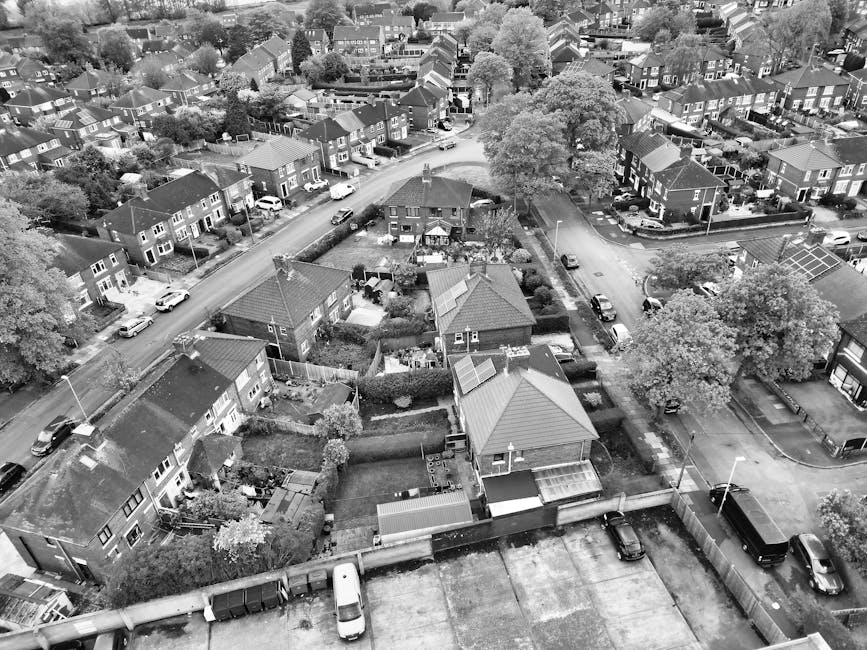
Southgate gardeners for Arnos Park and Southgate High Street: a practical local guide
If you are looking for Southgate gardeners for Arnos Park and Southgate High Street, you are probably after more than a quick tidy-up. You want someone who understands local gardens, knows how to work neatly around busy streets and shared spaces, and can keep things looking sharp without turning the place upside down. That sounds simple enough, but anyone who has ever tried to manage a front garden near a high street or a home close to parkland knows it is a bit more nuanced than that.
In this guide, we break down what good local garden care looks like, how the process usually works, what to expect, and how to avoid the common mistakes that waste time and money. You will also find a practical checklist, a comparison table, and a few down-to-earth tips that make the whole thing easier to manage.
Table of Contents
- Why Southgate gardeners for Arnos Park and Southgate High Street Matters
- How Southgate gardeners for Arnos Park and Southgate High Street Works
- Key Benefits and Practical Advantages
- Who This Is For and When It Makes Sense
- Step-by-Step Guidance
- Expert Tips for Better Results
- Common Mistakes to Avoid
- Tools, Resources and Recommendations
- Law, Compliance, Standards, or Best Practice
- Options, Methods, or Comparison Table
- Case Study or Real-World Example
- Practical Checklist
- Conclusion
- Frequently Asked Questions
Why Southgate gardeners for Arnos Park and Southgate High Street Matters
Gardens in Southgate do not all face the same pressures. A home near Arnos Park might deal with more leaf fall, shade, damp patches, and seasonal growth surges. A property near Southgate High Street, meanwhile, often has a different challenge: visibility. When a front garden, shop frontage, or shared external space sits close to a busy route, people notice the details. A tidy hedge, clean edging, and healthy planting can change the whole feel of a property.
That is why local gardening support matters. Not every gardener works well in every setting. Some are brilliant on large domestic plots but less confident in tight access spaces, boundary hedges, or gardens that need regular, neat presentation. Others understand the rhythm of London gardens better: fast spring growth, compact outdoor areas, bin access, pedestrian traffic, and the need to leave everything safe and presentable at the end of a job.
There is also the simple reality that neglected outdoor spaces do not just look tired. They can hide pests, obstruct paths, make drainage worse, and create a job that gets harder every month. Let it slide for one season and, well, you know how it goes. It gets away from you.
Practical takeaway: the best local gardening support is not just about cutting things back. It is about keeping a space safe, tidy, healthy, and appropriate for where it sits.
If you are comparing providers, it helps to look beyond the headline service. A proper services overview should show whether the team handles the kind of maintenance your property actually needs, from hedges and borders to ongoing garden care and seasonal work.
How Southgate gardeners for Arnos Park and Southgate High Street Works
In practical terms, local garden care usually starts with a short assessment. The gardener looks at the size of the space, what is growing, how easy it is to access, and what sort of result you want. That may sound obvious, but it saves a lot of back-and-forth later. A one-off hedge trim near a front boundary is very different from a full tidy-up of a garden that has been left for months.
Good gardeners will usually talk through the condition of the space first. They may ask about preferred shape, how often the garden is used, whether there are pets or children in the area, and whether you want a full reset or just a regular maintenance visit. In busy parts of Southgate, timing matters too. Early starts, parking access, and whether work needs to be kept quiet or quick can all influence the plan.
Once the scope is clear, the job generally falls into one of three patterns:
- One-off restoration: cutting back overgrowth, clearing waste, and bringing the garden back under control.
- Routine maintenance: regular trimming, edging, lawn care, weeding, and tidy-up visits.
- Seasonal work: spring clearances, summer shaping, autumn leaf removal, and winter prep.
For some properties, especially those near main pedestrian routes, presentation is almost as important as plant health. You want the front of the property to look intentional, not merely "done". That difference matters more than people think.
It is also worth asking how waste is handled. A clean finish is part of the job. Trimmings should be removed sensibly, and if sustainability matters to you, check the company's approach to green waste and disposal through their recycling and sustainability commitment.
Key Benefits and Practical Advantages
There is a reason people keep searching for local gardeners rather than trying to patch everything up themselves after work. A professional, local approach has a few clear advantages.
1. Better results, faster
Experienced gardeners know how to shape plants neatly and avoid the messy look that comes from cutting too much in one go. They also work faster because they have the right tools and the right routine. That sounds mundane, but it saves a lot of time on site.
2. More consistent upkeep
Regular garden maintenance prevents the "boom and bust" cycle where everything gets overgrown and then hacked back. Consistency is kinder to hedges, lawns, and borders, and it usually looks better too.
3. Safer outdoor spaces
Overgrown pathways, hidden debris, slippery moss, and blocked sightlines all create avoidable risks. Gardeners who work carefully can reduce those problems before they become annoying or, worse, a proper hazard.
4. Better kerb appeal
Near Southgate High Street, appearance matters. A neat frontage gives a good first impression to visitors, neighbours, customers, or tenants. Around Arnos Park, a well-kept garden sits more naturally in the setting and feels calmer overall. Little things add up.
5. Less stress for you
Truth be told, many people do not want to spend their weekends fighting brambles or trying to wrestle a hedge into shape with blunt tools. Outsourcing the work means less hassle and fewer half-finished jobs gathering dust in the shed.
| Approach | Best for | Main advantage | Possible drawback |
|---|---|---|---|
| One-off tidy-up | Overgrown gardens, pre-sale prep, neglected spaces | Fast reset | Needs follow-up maintenance |
| Regular maintenance | Front gardens, busy homes, tidy commercial fronts | Consistent appearance | Requires scheduling |
| Seasonal care | Gardens affected by weather and heavy leaf fall | Works with the seasons | Less immediate than a full tidy-up |
If you are comparing service options, a clear pricing and quotes page can help you understand how the job may be scoped before anything starts. That transparency is useful, especially when a garden looks simple from the pavement but turns out to be a little more involved. As gardens go, they are sneaky like that.
Who This Is For and When It Makes Sense
This kind of local gardening support is useful for a wide range of people. It is not just for homeowners with large lawns or picture-perfect borders. In fact, some of the most common users are the ones with modest outdoor spaces that still need to look smart.
Homeowners
If you live near Arnos Park or closer to Southgate High Street, you may want someone to maintain hedges, borders, lawns, and front gardens without making a production out of it. A good gardener can keep things under control while respecting your layout and planting style.
Landlords and letting agents
Tenanted properties often need efficient, reliable upkeep. A garden that is left to grow wild can create complaints, reduce tenant satisfaction, and make check-ins awkward. A regular maintenance plan usually pays for itself in reduced hassle, even if the garden itself is not the star of the show.
Small businesses and premises managers
For properties near Southgate High Street, outdoor presentation can affect how the entire site is perceived. Clean edges, trimmed hedges, and clear entrances support a professional image. No one wants a lovely interior and a scruffy approach outside.
Busy families and older residents
Sometimes the issue is simply capacity. Life gets busy. Mobility changes. Weather gets in the way. If garden jobs are becoming harder to manage, bringing in local support can take pressure off and keep the space safe and usable.
Anyone facing seasonal overload
Spring growth and autumn leaf drop can make even a well-kept garden feel a bit relentless. Around tree-heavy streets and park-adjacent areas, this is especially noticeable. A one-off seasonal visit can restore order quickly.
To make the right choice, ask yourself: do you need a reset, or do you need consistency? That question alone usually cuts through the noise.
Step-by-Step Guidance
If you are booking garden work for the first time, or after a long gap, a simple process makes everything smoother. Here is a practical way to approach it.
- Walk the space slowly. Notice what is overgrown, what is patchy, and what feels unsafe or awkward. Look at paths, gates, edges, and corners. Those are the places that often cause trouble.
- Decide what matters most. Is your priority a neat front boundary, a safer walkway, healthier planting, or a full tidy-up? Be clear. It helps the gardener focus on the right outcome.
- Take a few photos. This is especially helpful if you are getting a quote remotely. A couple of wide shots and a few close-ups usually tell the story well enough.
- Ask how the work will be done. Will the team prune, shape, clear waste, edge borders, and sweep up afterward? Small details make a big difference in the final finish.
- Clarify access and timing. If bins, parked cars, narrow paths, or locked gates might slow things down, say so early. It avoids the awkward "oh, right" moment on arrival.
- Check waste handling. Make sure you understand whether clippings and debris will be removed as part of the visit.
- Plan the follow-up. A tidy garden is good. A tidy garden that stays tidy is better. Set the next visit while the work is still fresh in your mind.
If you want a sense of who is behind the work and how they operate, the about us page is usually a good place to start. It helps you judge whether the company sounds like the kind of team you would be comfortable letting into your garden on a wet Tuesday morning, which, let's face it, is the real test.
Expert Tips for Better Results
Good garden results are rarely an accident. They come from a few sensible habits repeated over time.
Keep pruning conservative
It is tempting to cut hard when something has got out of hand. But over-pruning can stress hedges and shrubs, leaving them thin or patchy. Better to take a considered approach unless the plant really needs a reset.
Match the maintenance to the season
A garden near Arnos Park may need different attention in autumn than in early summer. Leaf fall, shade, and moisture all affect growth patterns. What works in June may be wrong in November. Small thing, big difference.
Prioritise edges and access routes
Neat borders and clear pathways make a garden feel cared for immediately. If you are on a budget, these are often the highest-impact areas to focus on first.
Choose a finish that suits the property
A front garden on a busy street often benefits from a sharper, more structured finish. A rear garden near parkland might suit a softer, more natural look. Neither is automatically better. It depends on how the space is used.
Ask for maintenance advice after the job
A decent gardener should be able to tell you what will need attention next and roughly when. Even a short note about watering, feeding, or when to trim next can help you stay ahead of the next growth cycle.
Helpful principle: the best gardening work usually looks almost effortless afterwards. That is the point. If it feels overworked, it often is.
Common Mistakes to Avoid
Most problems with garden upkeep come from a handful of familiar mistakes. The good news? They are easy to avoid once you know what to look for.
- Booking only after the garden is out of control. Emergency work is possible, but regular maintenance is usually easier and more economical.
- Being vague about the outcome. "Tidy it up" means very different things to different people. Be specific about what matters.
- Ignoring waste removal. A garden can look half-finished if clippings and cuttings are left behind.
- Choosing based only on price. Cheapest is not always best, especially if the work needs to be redone soon after.
- Forgetting seasonal timing. Some tasks are best done at particular times, and rushing them can leave the garden looking worse later.
- Not checking safety and insurance expectations. If work involves ladders, powered tools, or awkward access, it is sensible to ask the basics up front.
One of the most common missteps is assuming all gardeners work the same way. They do not. Some are best at maintenance, others at restoration, others at garden design support. The right fit matters more than a flashy pitch.
Tools, Resources and Recommendations
You do not need to be a gardening expert to make better decisions, but it helps to know what good work usually involves. At a practical level, the right tools and processes make a visible difference.
Useful tools in professional garden care
- hedge trimmers for shaping and reducing overgrowth
- secateurs for finer pruning work
- lawn mowers and edging tools for clean finishes
- rakes and blowers for clearing leaves and debris
- gloves, eye protection, and sturdy footwear for safer working
That may sound basic, but the difference between an improvised job and a proper maintenance visit is often in the equipment and the order of work. First the cut, then the clear-up, then the final check. Simple, but effective.
What to ask before booking
- What exactly is included in the visit?
- How will waste be handled?
- Do you offer regular maintenance or only one-off work?
- How do you approach access issues or tight spaces?
- Can you provide a clear quote before work begins?
For many readers, the most helpful next step is a straightforward conversation rather than endless online searching. If that sounds like you, the contact page is the logical place to begin.
Trust and practical service details worth checking
It is also sensible to review the company's approach to insurance and safety, health and safety, and payment and security. These are not exciting topics, no doubt about it, but they tell you a lot about how professionally the business is run.
Law, Compliance, Standards, or Best Practice
For most garden maintenance jobs, the key legal and practical issues are straightforward rather than dramatic. Still, it is worth treating them seriously. If a gardener uses powered tools, works at height, handles waste, or works near access routes, basic safety planning matters. That includes sensible risk awareness, clear communication, and leaving the site in a safe condition.
In the UK, good practice also includes respecting property boundaries, avoiding unnecessary damage, and making sure any work agreed is carried out within the scope discussed. If you are a landlord or managing a rented property, keeping external areas reasonably maintained can form part of your wider duty to keep the property safe and presentable. The details vary, so it is always best to judge each case carefully rather than assume one standard applies to every situation.
On the service side, trustworthy providers usually explain their terms clearly and set out how complaints are handled. That is one reason a visible complaints procedure and clear terms and conditions can be reassuring. They show the business is not making things up as it goes along.
If accessibility matters to you, it is also sensible to check the provider's accessibility statement. That is especially useful for anyone arranging work on behalf of someone with mobility needs or other access considerations.
And if you care about where garden waste ends up, take a look at the company's recycling and sustainability approach. It should give you a clearer picture of how green waste and general responsibility are handled in practice.
Options, Methods, or Comparison Table
Different gardens need different kinds of support. Here is a simple comparison of the most common approaches.
| Method | Typical use | Pros | Watch-outs |
|---|---|---|---|
| One-off clear-up | Overgrown gardens, move-in prep, post-winter reset | Quick improvement, visible results | Needs ongoing upkeep to last |
| Routine garden maintenance | Front gardens, rental properties, business frontages | Predictable, tidy, low-stress | Requires regular scheduling |
| Seasonal maintenance | Leaf fall, spring growth, summer shaping | Matches changing conditions | May not solve urgent overgrowth alone |
| Targeted hedge and boundary care | Properties with high visibility or tight access | Strong kerb appeal, neat lines | May need broader garden work later |
In real life, people often start with a one-off clear-up, then switch to regular maintenance once the garden is under control. That is a sensible route. You do not have to do everything at once.
Case Study or Real-World Example
Here is a realistic example from the kind of situation many Southgate residents recognise. A small front garden near a busy stretch of road had begun to look a bit tired: the hedge had softened into an uneven line, weeds were poking through the border, and fallen leaves were collecting around the path. Nothing dramatic, just enough to make the property feel less cared for.
The first visit focused on the essentials: hedge shaping, border clearing, edge definition, and waste removal. The aim was not to "redesign" the garden. It was to restore order and make the frontage feel deliberate again. That mattered because the property was visible from the street, and the owners wanted it to look tidy without becoming high-maintenance.
After that, the family moved to a lighter seasonal schedule. Nothing fancy. Just enough to stop the same issues returning. The result was a garden that looked calmer, needed less rescue work, and fitted the house better. You could walk past it on a grey morning and still get the sense that someone cared. Which, honestly, is often half the battle.
What this shows: most successful garden jobs are not dramatic transformations. They are sensible fixes followed by simple maintenance.
Practical Checklist
Use this checklist before booking Southgate gardeners for Arnos Park and Southgate High Street or any nearby local garden care visit.
- Clarify whether you need a one-off tidy-up or regular maintenance
- Walk the garden and note problem areas
- Take clear photos for reference if needed
- Decide which areas matter most: hedge, lawn, borders, paths, or all of them
- Ask what is included in the quote
- Check how waste will be removed or recycled
- Confirm access, parking, and timing details
- Review safety, insurance, and payment information
- Ask whether ongoing visits are available
- Make sure the outcome is described in plain language, not jargon
If you want to stay organised, it helps to keep a small note on your phone after each visit: what was done, what still needs attention, and when the next session should happen. Simple, but oddly effective.
Conclusion
Southgate gardens near Arnos Park and Southgate High Street benefit from care that is local, practical, and consistent. The best results usually come from clear communication, sensible scheduling, and a gardener who understands the pressures of the space, whether that means seasonal growth, visible frontages, awkward access, or just a busy household that wants things kept under control.
When you choose the right level of service, the whole property feels better. Cleaner lines, safer paths, healthier planting, less weekend stress. Not a bad trade, really.
If you are ready to move from "I should really sort that out" to "that's handled now," take the time to compare service scope, safety standards, and maintenance options before making a decision. The right fit tends to be obvious once you know what to look for.
Get a free quote today and see how much you can save.
And if the garden has been bothering you for a while, don't worry. Most spaces recover faster than people expect, especially once a steady hand gets involved.
Frequently Asked Questions
What do Southgate gardeners for Arnos Park and Southgate High Street usually help with?
They typically help with hedge trimming, border tidying, lawn maintenance, weeding, seasonal clear-ups, waste removal, and keeping front or rear gardens neat and manageable.
Is a one-off garden tidy-up enough, or do I need regular maintenance?
If the garden is only slightly untidy, a one-off visit may be enough. If growth is constant, visible from the street, or gets away from you quickly, regular maintenance is usually the better choice.
How often should a garden near a busy Southgate road be maintained?
It depends on planting type, exposure, and how tidy you want it to look. Some gardens need monthly attention in peak season, while others only need periodic seasonal work.
Can gardeners help if my front garden is small but overgrown?
Yes. Small gardens can still take a surprising amount of time if they have thick hedges, persistent weeds, or poor access. In fact, compact spaces often benefit most from careful, regular attention.
What should I ask before hiring a gardener locally?
Ask what is included, how waste is handled, whether they offer regular visits, how they manage access issues, and whether the quote reflects the actual scope of the work.
Do I need to prepare anything before the gardener arrives?
It helps to clear access points, move delicate items if needed, and point out anything fragile, hidden, or unusual. A quick walk-through can prevent awkward surprises.
How do I know if a quote is fair?
A fair quote should match the size of the job, the time needed, access difficulty, and whether waste removal is included. If something feels vague, ask for a clearer breakdown.
What happens to the garden waste?
That depends on the service. Some providers include removal and disposal, while others may separate that as part of the agreement. It is best to confirm it before work starts.
Are gardeners expected to follow safety and insurance best practice?
Yes, especially when using tools, working near boundaries, or dealing with difficult access. It is sensible to check safety practices and insurance arrangements before booking.
Can garden work improve kerb appeal quickly?
Absolutely. A tidy hedge, clear border edge, and swept path can change the feel of a property very quickly, sometimes in a single visit.
What is the best time of year for a garden refresh in Southgate?
Many people choose spring or early autumn, but the right time depends on the condition of the garden. If the space is overgrown or untidy now, there is usually no reason to wait.
How do I get started if I am not sure what service I need?
Start with a short description of the garden and a few photos, then ask for guidance on the right level of service. If you need help with the next step, the contact us page is the simplest way to begin, and the services overview can help you understand the available options.
Where can I check the company's policies before booking?
You can review useful trust pages such as the privacy policy, terms and conditions, and payment and security information before making a decision.